Creating Sustainable Sporting Environments: The Role of Synthetic Turf Feb 13, 2026
Synthetic turf offers several advantages over natural grass, particularly in terms of durability and maintenance. One of the most significant benefits is the reduction in water usage. Natural grass requires substantial amounts of water, especially in arid climates where maintaining lush fields becomes an arduous, expensive task. Conversely, synthetic turf eliminates the need for watering, allowing communities to conserve this valuable resource and significantly lower their water bills.
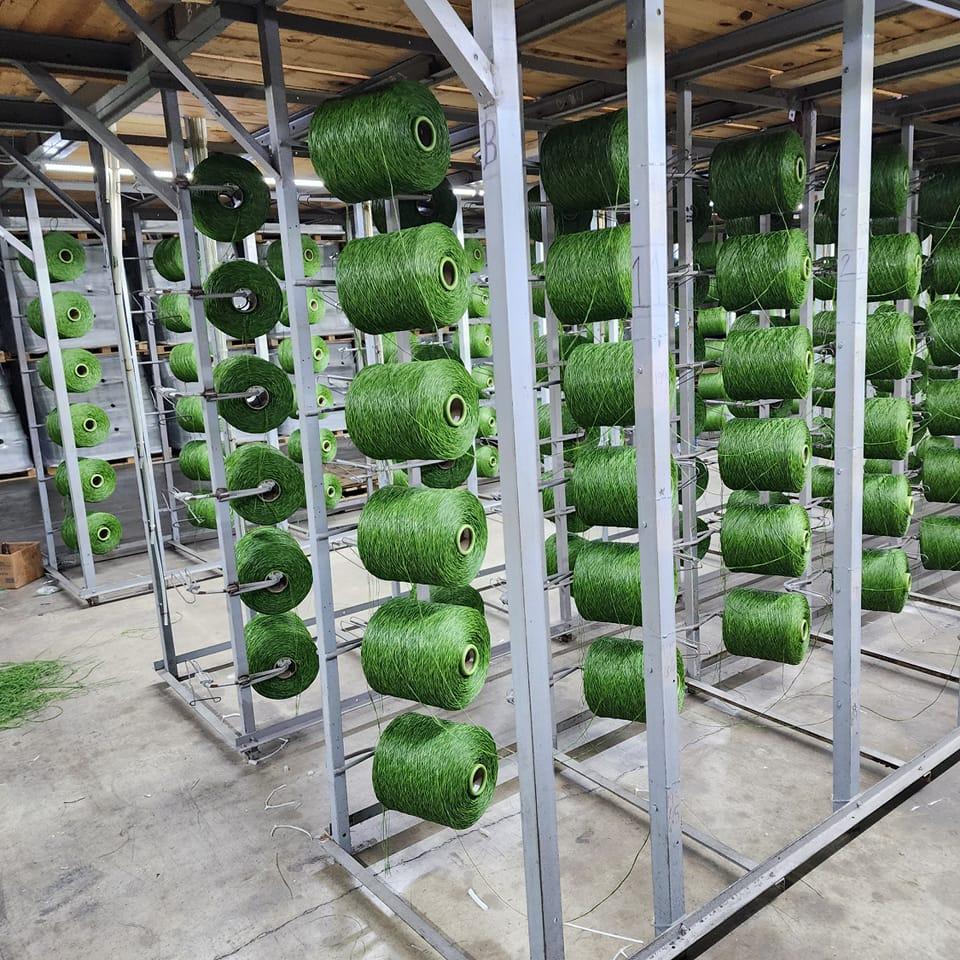
Beyond water conservation, synthetic turf minimizes the need for pesticides and fertilizers. Natural grass maintenance often involves using chemicals to control pests and encourage growth, potentially leaching into the environment and impacting local wildlife. Synthetic turf eliminates this concern, providing a safer option for players and the environment. Furthermore, innovations in synthetic turf technology have made it possible to manufacture fields from recycled materials, enhancing their eco-friendly credentials.
When it comes to longevity, synthetic turf fields boast an impressive lifespan. Designed to withstand intensive play, these surfaces maintain their quality and aesthetics even under heavy use. This durability translates into lower replacement costs in the long run, a critical consideration for sports facilities operating on tight budgets. Unlike natural grass, which can become uneven and patchy with use, synthetic fields provide consistent performance year-round, ensuring a safe playing surface for athletes.
Performance is another factor where synthetic turf shines. Today’s turf is engineered to provide the same level of traction and shock absorption as natural grass, if not better. This design prioritizes player safety, reducing the risk of injuries often associated with uneven or slippery natural surfaces. Keep It Green Turf has implemented cutting-edge technology to ensure that their synthetic products offer optimal performance without compromising safety.
While there may be initial costs associated with installing synthetic turf, the long-term savings and benefits are substantial. Reduced maintenance, water savings, and increased field utilization mean that these installations are not only environmentally responsible but also economically viable. Many organizations find that the ability to host more events on these durable surfaces—thanks to their weather-resistant qualities—can quickly offset installation expenses.
Synthetic turf also offers a significant aesthetic appeal. With advancements in design, these turfs mimic the look and feel of real grass, enhancing the visual appeal of sporting venues. This aspect can be particularly appealing for community parks and schools, where maintaining a welcoming and professional appearance is often a priority.
In conclusion, synthetic turf represents a forward-thinking approach to creating sustainable sporting environments. By choosing synthetic turf from Keep It Green Turf, organizations can enjoy myriad benefits ranging from reduced environmental impact to enhanced performance and economic efficiency. As the demand for sustainable solutions continues to rise, the role of synthetic turf in shaping the future of sports facilities becomes increasingly pivotal. Embracing this technology not only supports ecological goals but also promotes safety, performance, and community engagement. It's a win-win for everyone involved.
/filters:no_upscale()/filters:format(webp)/media/78cc0412-1f6f-4c2d-a3f0-b213a86dbded.jpeg)