Innovative Water Conservation: The Role of Synthetic Turf in Drought-Prone Areas Mar 01, 2026
In regions facing severe drought conditions, traditional grass lawns require copious amounts of water to maintain their lush, green appearance. This not only strains local water reserves but also raises utility bills for homeowners. Synthetic turf, on the other hand, presents a viable solution. By switching to synthetic turf, families and businesses can significantly reduce their water usage, thus contributing to broader water conservation efforts.
Furthermore, synthetic turf requires minimal maintenance compared to natural grass. With synthetic lawns, the need for mowing, fertilizing, and watering is effectively eliminated. This not only saves time and resources but also reduces the carbon footprint associated with lawn maintenance equipment and the chemicals used in fertilizers and pesticides. As a result, users of synthetic turf can enjoy a pristine, green lawn year-round without the hassle and environmental impact associated with natural grass upkeep.
Synthetic turf is not just a practical solution for residential yards; it's a transformative product for commercial spaces as well. Sports fields and public parks in drought-prone areas can greatly benefit from installing synthetic turf, as it offers a durable and consistent playing surface. Unlike natural grass, synthetic turf stands up to heavy foot traffic and diverse weather conditions, making it ideal for areas with varying use patterns. Keep It Green Turf offers specially designed products that cater to the unique needs of commercial users, ensuring that both performance and aesthetic standards are met.
For communities concerned with sustainable landscaping, switching to synthetic turf can play a crucial role in their environmental strategy. It demonstrates a commitment to resource conservation and environmental stewardship. Additionally, the aesthetic flexibility of synthetic turf allows for creative landscaping designs that enhance curb appeal and increase property value.
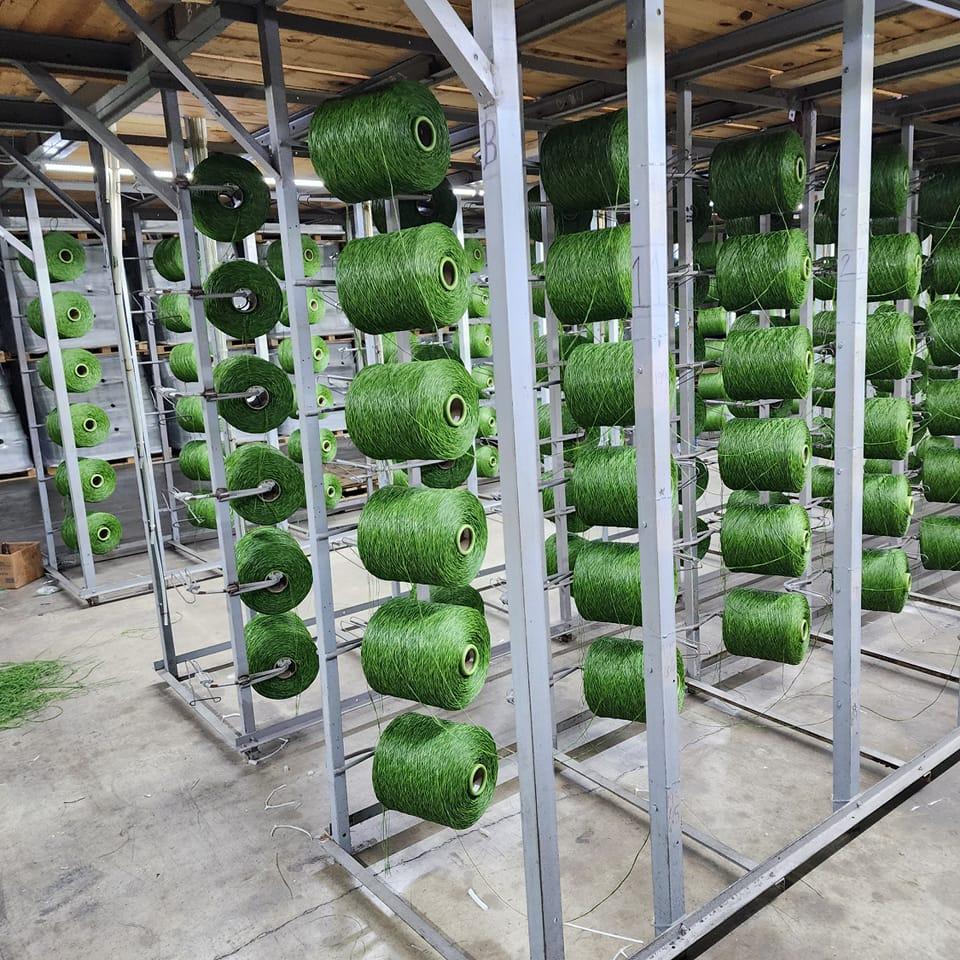
Notably, the production process of synthetic turf has evolved to become more environmentally friendly. Companies like Keep It Green Turf are taking steps to ensure their products are made using sustainable practices, focusing on recyclability and the use of eco-friendly materials. This commitment further amplifies the role of synthetic turf as an environmental ally in water conservation efforts.
In conclusion, synthetic turf presents a compelling solution for those residing in drought-prone areas, offering a water-efficient, low-maintenance alternative to traditional lawns. By reducing water use and maintenance tasks, synthetic turf not only promotes environmental conservation but also saves homeowners and businesses time and money. As water scarcity challenges continue to rise, the shift towards synthetic solutions like those offered by Keep It Green Turf is both a timely and necessary innovation. Embracing synthetic turf is more than just a landscaping choice; it’s a step forward in creating sustainable and resilient communities for the future.
/filters:no_upscale()/filters:format(webp)/media/78cc0412-1f6f-4c2d-a3f0-b213a86dbded.jpeg)