Synthetic Turf vs. Natural Grass: Which is Right for Your Climate Dec 27, 2025
Synthetic turf has become increasingly popular due to its durability and low maintenance requirements. This option can be particularly advantageous in arid or drought-prone regions where natural grass struggles to survive. Artificial turf eliminates the need for frequent watering, reducing water bills and conserving resources. Unlike natural grass, synthetic turf is not subject to seasonal browning or pests such as insects and weeds, ensuring a lush green lawn throughout the year with minimal effort.
On the other hand, natural grass is a classic choice that provides a soft, cool surface underfoot and may contribute to air quality improvement. However, maintaining natural grass in areas with extreme weather conditions, whether hot or cold, can be challenging and costly. Regular watering, fertilization, and mowing are critical tasks that require commitment and can become burdensome in regions with limited rainfall or high temperatures. Moreover, the heavy use of fertilizers and lawn chemicals can lead to environmental concerns.
When considering your climate, it is essential to note that synthetic turf performs well in both hot and cold conditions but can become hot to the touch under extreme sun exposure. In cooler climates, artificial grass provides a green solution throughout seasons when natural grass might be dormant. For those in regions with harsh winters, natural grass may become brown or dormant, whereas synthetic options maintain their vibrant appearance regardless of frozen conditions.
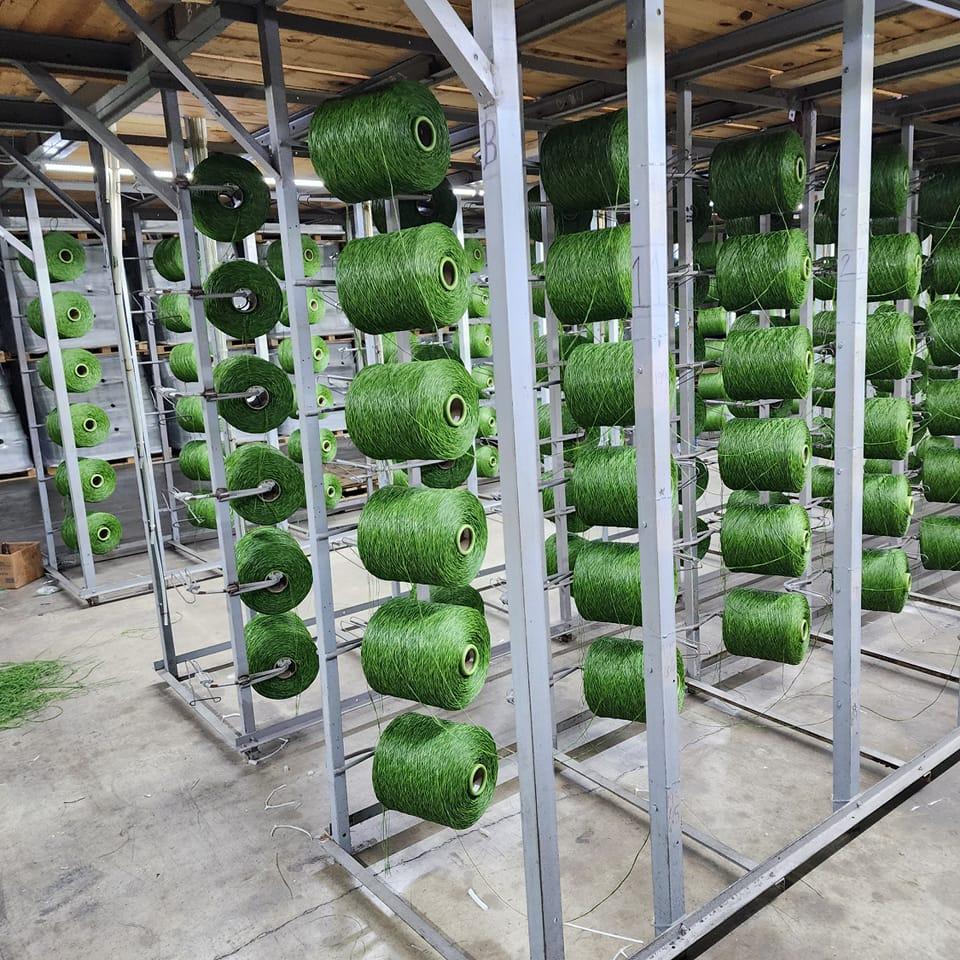
It is also crucial to consider the aesthetic and environmental impact of your choice. Artificial turf has evolved to mimic the look and feel of natural grass, offering varied options in color, texture, and blade length to complement any landscape design. Moreover, synthetic turf is often made from recyclable materials, which contributes to environmental sustainability versus the ongoing resource usage required to maintain natural grass.
Homeowners interested in sustainability will appreciate the reduced carbon footprint associated with synthetic turf. With no need for lawnmowers or other gas-powered maintenance equipment, carbon emissions are lower. Additionally, the absence of pesticides and fertilizers further reduces environmental impact, safeguarding local wildlife and ecosystems.
For families with children and pets, the durability of synthetic turf allows for heavy use without bald patches or mud puddles typical with natural grass. Modern synthetic fibers are engineered to be soft yet resilient, providing a safe play surface even after heavy rain. In contrast, a natural lawn may struggle to recover from damage caused by wear and tear, requiring costly repairs and maintenance over time.
In conclusion, whether synthetic turf or natural grass is appropriate for your climate depends on various factors such as local weather conditions, maintenance preferences, and environmental concerns. Evaluating the specific requirements and benefits of each will help ensure that your outdoor space is a genuine reflection of your lifestyle and environmental ethos, offering beauty and functionality throughout the seasons. For personalized advice, consider reaching out to local experts like Keep It Green Turf LLC to explore tailored solutions that meet your unique needs.
/filters:no_upscale()/filters:format(webp)/media/78cc0412-1f6f-4c2d-a3f0-b213a86dbded.jpeg)